


The SCWC provides multi-tiered workshop tracks. Advance sign-up is not required for most workshops, so conferees are free to go to any session they choose. Should you find that a particular session is not for you, or if you’d prefer to simply tap into another. Workshop summaries can be found here (when available).
Dates for our 41st annual winter event are Martin Luther King, Jr. Weekend, January 15-17, 2027.
- Authors & Industry Experts
- Workshops
- Weekend Schedule
- Frequently Asked Questions
- All About Advance Submissions
Special Guest Speakers
 DENNIS CROSBY is an award-winning author of the bestselling Kassidy Simmons urban fantasy series, in which the Reaper of Souls struggles to maintain harmony between life and death by returning lost souls to their proper place in the afterlife. Comprised of Death’s Legacy, Death’s Debt, Death’s Despair, the thrilling final installment, Death’s Reckoning, is out November, 2026. His numerous short stories can be found in anthologies including Weird Tales and Creepshow: 13 Tales of Terror. Literally Dead: Tales of Halloween Hauntings, Blood Fiction: If It Bleed It Reads and Castle of Horror volumes 5 and 8. Dennis is the co-editor of the charity anthology Dread Coast: SoCal Horror Tales and has been a panelist and moderator at multiple conventions including, WonderCon, Comic-Con International, Nebula, Bouchercon, and StokerCon 2024, where he also served as Co-Chair.
TO BE ANNOUNCED
TO BE ANNOUNCED
Authors & Industry Experts
(More to be announced)
 GAYLE CARLINE is a humor columnist for an Orange County newspaper and author of the popular Peri Minneopa Mysteries, including Freezer Burn, Hit or Missus, The Hot Mess, Clean Sweep and A More Deadly Union, featuring a housecleaner-turned-detective living in the OC. Other titles include the stand-alone From the Horse’s Mouth: One Lucky Memoir, the first of a new equine-themed murder-mystery series, Murder on the Hoof and new historical fantasy Dragon Shadows trilogy, Blood Dragon Rising, Moon Dragon Falling and New Dragon Soaring. Writing as M.G. Wetherholt, here latest is geared for younger readers, Paws on the Pier (A Magical Mouse Caper).
- SESSIONS: T”Avoiding Stereotypes, Cliches and the All-Too Common,” “Battle Plan: Everything You Need to Know Before Going Indie” and “The End is Just the Beginning”
 ADVANCE SUBMISSION CRITIQUE: Fiction, mystery, humor, columns; first 10 pages (or multiple columns up to 10 pages), cover letter
DENNIS CROSBY is an award-winning author of the bestselling Kassidy Simmons urban fantasy series, in which the Reaper of Souls struggles to maintain harmony between life and death by returning lost souls to their proper place in the afterlife. Comprised of Death’s Legacy, Death’s Debt, Death’s Despair, the thrilling final installment, Death’s Reckoning, is out November, 2026. His numerous short stories can be found in anthologies including Weird Tales and Creepshow: 13 Tales of Terror. Literally Dead: Tales of Halloween Hauntings, Blood Fiction: If It Bleed It Reads and Castle of Horror volumes 5 and 8. Dennis is the co-editor of the charity anthology Dread Coast: SoCal Horror Tales and has been a panelist and moderator at multiple conventions including, WonderCon, Comic-Con International, Nebula, Bouchercon, and StokerCon 2024, where he also served as Co-Chair.
- SESSIONS: “Hiss! Crafting a Strong & Believable Villains” and “Networking and Marketing for Introverts”
 KRISTI (K.A.) FOX is the USA Today bestselling author of the YA urban fantasy Murphey’s Law series, comprised of The Devils Own, Judas Kiss, and Earthly Shadows. In it, the Devil’s estranged daughter must grapple with the inheritance of her’s father’s infernal powers and combat succumbing to them in effort to protect those she loves. Writing bestselling short romances as Krysta Fox, she ranges from contemporary (Surprised Under the Mistletoe) to the paranormal (the Surprise Shifters series) and has released over seventeen titles since September 2020. She can be found online on Facebook as imkafox and KrystaFoxAuthor.
-
- SESSIONS: “Let’s Get Cozy (Fantasy),” “Turn the Page: Making Readers Keep Reading,” “Writing Good, Bad and Ugly Better” and Read & Critique (Mixed-Genre)
-
- ADVANCE SUBMISSION CRITIQUE: Sci-fi/fantasy urban fantasy, contemporary and paranormal romance; first 10 pages, cover letter
 JOHN GOSHORN is a versatile writer and workshop facilitator whose genres span horror, urban fantasy, science fiction, and the delightfully undefinable “wiggle-worm” realm. Known for his sharp eye and constructive insight, John is a multiple SCWC Outstanding Fiction Award winner, groomed by some of the finest Rogue workshop leaders. He brings a reader-centric sensibility to critique sessions, helping writers see not only what’s on the page, but how it lands with an audience..
- SESSIONS: “Critique: How to Give, Receive, and Find Constructive Feedback for WIPs” and Rogue Read & Critique (Sci-Fi, Horror, Hardcore Genre)
 MICHAEL STEVEN GREGORY, Executive Director of both the Southern California Writers’ Conference and Central Oregon Writers’ Conference, is an award-winning filmmaker and screenwriter. He has scripted network series, directed television and features, and been involved as a writer, producer or director of over 150 short films. His projects include the doculogues We, The Writer and We, The Screenwriter, the romantic-comedy A Valentine Carol, and groundbreaking Don King Presents: Prizefighter, for 2K Games. Books include Disc Golf: All You Need to Know about the Game You Want to Play, which remained a bestseller well over a decade after publication.
- SESSIONS: No-Host Mixer, Introductions
- ADVANCE SUBMISSION CRITIQUE: Screenplays, TV and short-form scripts; first 10 pages in proper format, cover letter

 ARA GRIGORIAN is a USA Today Bestselling author whose novels include the international award-winning Game of Love, Ten Year Dance, 15 Days With You, and inclusion in the Desire After Dark anthology. Fascinated by the human species, he writes about choices, relationships, and second chances. Ara’s latest is the start of a new series of contemporary women’s fiction, which includes two books, Reunion at Fortuny Bay and Secrets of Fortuny Bay.
- SESSIONS: “Every Story is a Love Story,” “How Much to Tell, When and Where” and “Story Beats: Your Story’s Pulse”
- ADVANCE SUBMISSION CRITIQUE: Fiction, young adult, romance; first 10 pages, cover letter
 ERIC PETERSON is the author of three novels. His debut, Life as a Sandwich, was a finalist in the San Diego Book Awards. His second, The Dining Car, which introduced audiences to legendary food writer and bon vivant Horace Button, won the IBPA Benjamin Franklin Gold Award for Popular Fiction, the San Diego Book Award Gold Medal for Contemporary Fiction, and the Readers’ Favorite Book Award Silver Medal for Literary Fiction. Publishers Weekly’s BookLife named it a “Book to Watch.” It’s follow-up, Sunshine Chief, returned with another high class adventure with Button and entourage on his vintage private railcars. Possessing a Communication degree from Stanford, majoring in journalism, Eric’s foray into nonfiction is Museum of the Unknown Writer, a collection of essays which first appeared in the online daily magazine, Piller to Post.
- SESSIONS: “Selling Outside the Bookstore” (with Jennifer Silva Redmond)
 JUDY REEVES is an award-winning writer whose work includes A Writer’s Book of Days (named “Best Nonfiction” by the San Diego Book Awards and a “Hottest Books for Writers” by Writer’s Digest), Writing Alone/Writing Together, The Writer’s Retreat Kit, and Wild Women, Wild Voices. Her fiction, nonfiction and poetry have appeared in numerous journals and anthologies. Judy’s taught at UCSD Extension, and led writing practice groups for 30 years. Her awards include those from the San Diego Writers and Editors Guild, San Diego Writer’s Festival, and The African American Writers & Artists Association. San Diego Mayor Jerry Sanders declared July 24, 2010 “Judy Reeves Day.” Her long-awaited memoir, When Your Heart Says Go, is now out.
- SESSIONS: “Creating Atmosphere and Mood,” “Then vs. Now: Writing Memory in the Moment” and “Writing the Micro Memoir for Market”
- Advance Submission Critique: Memoirs, narrative non-fiction, women’s fiction; up to 10 pages double-spaced, cover letter
 JANIS THOMAS, Director of the Southern California Writers’ Conference, is the author of such domestic suspense novels as All That’s Left of Me and What Remains True, both with Lake Union, and three critically acclaimed humorous works of women’s fiction—Something New, Sweet Nothings, and Say Never—as well as the mystery Murder in A-Minor. She has written more than fifty songs and two children’s books, which she created with her dad, is a passionate writing advocate, a popular workshop leader, speaker, and editor. Her latest novel is the paranormal thriller Finding Grace, which Kirkus Reviews calls “An authentically creepy tale.”
- TRACK: Novel Boot Camp >>Details
It consists of the following sessions:
<>
- What’s it All About, Author?
- Who Comes First?
- The Structure of it All
- The Beats Go On
- WE’VE got the Beats
- We’ve got MORE Beats
- Brass Tacks and Hard Facts
- The End is Just the Beginning
<>
Agents & Editors
(More to be announced)
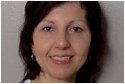 JACQUELIN CANGRO worked at Penguin Random House and Simon & Schuster for more than twenty years. Now, as an independent developmental editor and book coach, she’s reviewed hundreds of novel and memoir manuscripts, providing writers with feedback to make their stories the best they can be. Her editorial specialties include women’s fiction, romance, YA, and upmarket. Jacquelin’s short fiction was selected as one of the Saturday Evening Post’s Great American Stories, and her other works of fiction have appeared in Stonecrop Review, The Macguffin, Valparaiso Fiction Review, and Cortland Review. Her first book, The Subway Chronicles: Scenes from Life in New York, is a collection of essays about the New York City subway system. You can find out more about Jackie and her work at https://jacquelincangro.com.
- SESSIONS: “Mastering the Art of Revision,” “Setting and Place Masterclass” and “Unlocking Your Novel’s Inciting Incident”
- PAGE ONE CAGE MATCH
- ADVANCE SUBMISSION CRITIQUE: Fiction; nonfiction; first 10 pages, double-spaced, cover letter
 STEVEN HUTSON is an agent with WordWise Media, which he founded as an editorial service in 2005. Branching out as a literary agent in 2011, he’s landed author-client deals with such publishers as Dutton, Thomas Nelson, Tyndale, Potomac, David C. Cook, Praeger, Writer’s Digest Books, and others, in myriad genres. Looking to expand the firm’s list, his interest in multiple genres is expansive.
- SESSIONS: “What NOT to Say to an Agent or Editor”
- PAGE ONE CAGE MATCH
- ADVANCE SUBMISSION CRITIQUE: Pretty much all fiction except erotica, picture books, poetry and short story collections; Nonfiction is open; first 5 pages double-spaced, quality cover letter
 CHERIE KEPHART‘s award-winning memoir, A Few Minor Adjustments, is called by Kirkus Reviews, “A rich and complicated story, told on each page with clear dialogue and memorable anecdotes.” Her other publications include, The Healing 100 and Poetry of Peace, as well as essays, short stories, and poems in various literary journals and anthologies. A freelance editor, writing coach, Cherie is a graduate with first class honors from the University of Auckland in Medical and Cultural Anthropology, holds a BA in Communications from UCSD and a Certification in Scientific and Technical Writing. Her latest book is The Upside of Falling: Connecting to the Art and Heart of Being a Writer.
- SESSIONS: “Slice of Life: Sculpting Your Memoir’s Story,” “Soul Therapy: The Spiritual Side of Writing Memoir” and Read & Critique (Memoir/Narrative Nonfiction)
- ADVANCE SUBMISSION CRITIQUE: Historical fiction; Memoir, personal stories, wellness, practical nonfiction, self-help, personal transformation, metaphysical; first 10 pages, cover letter
 MARLA MILLER is an author, freelance writer, and editor. For years, she had a byline at OC Register’s lifestyle magazine before becoming founding editor-in-chief of an O.C. coastal lifestyle magazine. Her first book, All American Girls, the only authorized biography of the World Cup/Gold Medal winning U.S Women’s National Soccer Team, was published by Simon & Schuster. Marla’s publishing industry-oriented workshops were motivated by her recognition that most traditionally published authors receive little help from their publishers’ marketing departments. Two novels, SweetSpot: Now and Then, a fantasy/romance published by Austin Macauley Publishers, and Deadly Little Secrets, a medical suspense, published by MarketingtheMuse Publications, debuted in 2025. Her ongoing series of writer/author interviews can be found @writersmama on YouTube.com.
- SESSIONS: “Cold Openings: Your First Five Pages,” “The Emotional Hook: Reeling Readers in from the Start,” “Pitch Witches: What’s Your Book About?” (with Jennifer Silva Redmond) and “When is “Done!” Done Enough?”
- ADVANCE SUBMISSION CRITIQUE: Fiction, narrative and prescriptive nonfiction, columns (Note: anything emphasizing medicine or psychology, Marla’s your reader); first 10 pages, cover letter
 JENNIFER SILVA REDMOND spent more than a decade as editor-in-chief/acquisitions editor at Sunbelt Publications before becoming a freelance publishing consultant and editor. On the staff of the Southern California Writers Conference and San Diego Writers, Ink, she was also prose editor for A Year in Ink Vol 3, and co-founder of the Sea of Cortez Review. Her essays, articles, and short fiction have been published in various anthologies, such as Latinos in Lotusland, and national magazines. She is always looking for “great new stuff” and has a wide circle of agents, editors, and publishers with whom to share marketable fiction and nonfiction. Her memoir, Honeymoon at Sea: How I Found Myself Living on a Small Boat, is now out.
- SESSIONS: “Beyond Plot and Character: Who, How, Why,” “Selling Outside the Bookstore” (with Eric Peterson) “Head Hopping: Putting POV in Perspective,” “Pitch Witches: What’s Your Book About?” (with Marla Miller) and Read & Critique (All-Genre)
- ADVANCE SUBMISSION CRITIQUE: Fiction, nonfiction, memoir, short stories; first 10 pages double-spaced, cover letter
 LAURA TAYLOR is an author and freelance editor, whose work has received endorsements from Pat Conroy, W.E.B. Griffin, and Stephen King. She is the recipient of numerous awards for her writing, including 6 Romantic Times Lifetime Achievement, Reviewer’s Choice, and Career Achievement Awards, 2 Maggie Awards from GRW/RWA, 2 Golden Heart Finalist Awards (RWA), an RWA RITA Finalist Award, and a Golden Rose Award from the Gold Coast Chapter of RWA. Having sold over a million books in print, an additional 550,000 digital editions have been downloaded by e-book readers. Her novels feature sassy, strong-willed heroines and determined alpha male heroes. Her romance e-books include: Desert Rose, Midnight Storm, Heartbreaker, More Than Friends, Fallen Angel, Wilder’s Woman, Warrior Series Boxed Set, Moment By Moment, The Christmas Gift, Anticipation, Seduction, Surrender, Sublime, and the Love at the Beach Boxed Set.
- SESSIONS: “Editing is Everything,” “Romance Writing: The Nuts and Bolts of the Fictional Happily-Ever-After,” Read & Critique and Rogue Read & Critique (All-Genre)
- ADVANCE SUBMISSION CRITIQUE: Mainstream, historical and genre fiction, romance; first 10 pages double-spaced, cover letter
 PATRICIA WILKINSON is a writing coach, freelance editor, novelist, and coauthor of Amazon bestselling and Readers’ Choice winner Brain Stages: How to Raise Smart, Confident Kids and Have Fun Doing It. A credentialed, mentor teacher of 23 years, Trish has helped numerous writers find their voices, hone their craft and move on to publication. Her clients include David Crow, whose memoir The Pale Face Lie: A True Story sold more than 100,000 copies, Captain Jack Molan (You Can’t Make This Stuff Up: My Thirty Years as Captain in the Bering Sea), Linda Berry (The Killing Woods), and Howard Shulman (Running from the Mirror: A Memoir).
- SESSIONS: “Build a Better Author Bio: A Powerful Tool to Attract Readers,” “Reboot Your Brain” and Electrify Your Writing” and “What ‘Show Don’t Tell’ Actually Means”
- ADVANCE SUBMISSION CRITIQUE:
Adult and YA fiction; Memoir, narrative and practical nonfiction; nonfiction book proposals, first 10 pages double-spaced; cover letter
To Be Announced
Leader: TBA
Objective: TBA
Workshops: Read & Critique
- All-Genre
- Commercial/Women’s/Memoir/Romance/Narrative
- Literary/Alternative/Narrative Nonfiction
- Mystery/Suspense/Thriller/Crime
- Paranormal/Horror/Transcendental
- Young Adult/New Adult<
Workshops: Craft & Execution
Avoiding Stereotypes, Cliches and the All-Too Common
Leader: Gayle Carline
Objective: Does your world-weary detective fight an uphill battle with his gruff police captain? Does your big-city young woman find true love when she moves back to her small hometown and opens a bakery? Maybe it’s time to think outside these boxes. This workshop will discuss the various ways to take the all-too common and make it special, crafting a unique story that will keep readers engaged.
Beyond Plot and Character: Who, How, Why
Leader: Jennifer Silva Redmond
Objective: While plot and character are vital to any narrative, this session delves into the often-overlooked elements that resonate with readers: point of view and tense. Uncover how choosing the right—or wrong—narrative perspective can profoundly affect a story’s impact. Should you write in first-person for intimacy or third-person for breadth? What happens when a limited viewpoint keeps readers guessing, or when an omniscient narrator reveals all? We’ll also examine the emotional distinction between present-tense and past-tense prose, learning how each can either heighten immediacy and tension, or offer reflective depth and nostalgia.
Crafting Voice in Young Adult Fiction
Leader: Kristi Fox
Objective: The first word. The first sentence. The first paragraph. It’s all about voice. The wished-for agent, the stern editor, and finally those faithful readers, are first drawn into your work through voice. It is what most separates one author from another. This is especially true in YA. But what exactly is voice? It’s not exactly style. Nor is it quite POV. We will explore voice through a close read of a variety of YA openings. Bring your own to share if you like. Writers of other genres are welcome, of course.
Creating Atmosphere and Mood
Leader: Judy Reeves
Objective: Here’s where the writer gets to work magic through language. Want to create an atmosphere that evokes an emotion in the reader? Do it through description, through setting, through the use of the senses, and the diction of your story. The right choice of words and you move a reader from feeling safe and secure to biting her nails; change the structure of your sentences and take the reader from relaxed to excited. In this workshop, we’ll explore techniques that create atmosphere, generate mood and evoke emotion, with lots of in-workshop exercises you can apply to your own writing. For all writers—fiction and nonfiction.
Creating Worlds that Feel Real
Leader: Dennis Crosby
Objective: Whether it’s Hogwarts, the Underworld, or the dark streets of the big city, the storyscape a writer creates is as essential as the characters occupying it. Good world building helps to ground your story. It can set limits, create obstacles, or be a place of peace and serenity. The world you build should spark emotion, encourage the reader to continue to explore the story, and take up space in the reader’s mind through the last page. This workshop will provide tips on how you can use everything from sensory details and social constructs to history and environment, to raise the stakes and transform your story and characters.
The Emotional Hook: Reeling Readers in from the Start
Leader: Marla Miller
Objective: In this debut interactive workshop, writers will craft one page that hooks the reader. Open with dialogue, setting, conflict, character, theme — or all. We’ll begin with a few ‘opening page’ analyses from notable novels to guide and inspire, workshop members will then be given 15 minutes to write their own opening based on a curated prompt, followed by open critique. Join us for this fun & informative session.
The End is Just the Beginning
Leader: Gayle Carline
Objective: If you don’t know where you’re going, you’ll never know when you arrive. Every writer has a different process for telling their story, but at some point, they need to know how it ends, and whether they’ve told the tale they intended. This workshop will discuss how to work toward a satisfying ending to your story, and what to look for in your manuscript to ensure it’s a tale told well.
Every Story is a Love Story
Leader: Ara Grigorian
Objective: Every story has an element of love, whether it’s a Romance (Outlander, Notting Hill), a story with a love interest sub-plot (Hunger Games), a buddy love (Jaws, Die Hard), or team love (Harry Potter, Avengers). In this session we’ll cover the various ways love is incorporated into all story types; how the theme of your story drives its heart and is tightly coupled with the lesson your main character(s) will learn during the journey; and explore how both structure and the associated story beats drive the love story.
Front Story: Pouring the Foundation of a Powerful Tale
Leader: Ara Grigorian
Objective: Front Story is the foundation where the “A” story is fully fleshed out, the narrative elements keep the reader connected to the story, the main character, and her transformative journey. In this workshop you’ll learn what is expected (by an agent, editor, reader) and recommended when constructing your story’s Act I structure to better build beyond.
Head Hopping: Putting POV in Perspective
Leader: Jennifer Silva Redmond
Objective: Whether writing a novel or a memoir, you need to understand why your choice of Point of View matters, and how the right POV can help, or hurt, your story.
Hiss! How to Craft Strong & Believable Villains
Leader: Dennis Crosby
Objective: Villains have traditionally been depicted as the ultimate in evil—doing bad things for the sake of being bad. In recent years, writers have given villains some incredible backstories, making them much more complex, giving readers a chance to watch the journey from innocence to evil. This workshop explores this shift and provides tips on methods to add depth to villains to create believable tension and conflict between them and the hero.
Hook, Line and Sinker
Leader: TBA
Objective: What keeps a reader hooked from the first page to the last? This workshop explores the craft of creating and sustaining reader interest through a propulsive narrative, compelling characters, escalating stakes, strategic reveals, and well-timed turns. Like fishing, storytelling is about knowing what will attract attention, what will keep the line taut, and when to set the hook.
How Much to Tell, When and Where
Leader: Ara Grigorian
Objective: How much should readers know, and when should they know it? This workshop explores the art of revealing information in fiction: what to tell, what to hold back, and where to place key details for maximum impact. Learn how to balance clarity with curiosity, avoid both confusion and over-explanation, and use information strategically to build tension, deepen character, and keep readers turning pages.
Let’s Get Cozy (Fantasy)
Leader: Kristi Fox
Objective: One of the hottest new genres in the current market, Cozy Fantasy is quickly carving out its own niche and drawing in readers with stories that offer them a much needed escape. In this session, we’ll explore what elements make this genre so popular and how authors can embrace those aspects in their own writing.
Novel Boot Camp (8-workshop track)
Leader: Janis Thomas
Objective: NBC is an exclusive stand-alone track of eight workshops that covers everything you need to write a novel, from the story idea to completion. Perfect for any novel writer, whether you’re thinking about a new project, already in the trenches of a current WIP, or starting the arduous editing process on a first draft. Novel Boot Camp will set you up for success. >>Details
Romance Writing: The Nuts and Bolts of the Fictional Happily-Ever-After
Leader: Laura Taylor
Objective: This workshop will provide an overview of the romance genre and its many sub-genres. We’ll start with this premise: everything that occurs in a romance novel revolves completely around the love story. Romance book sales constitute more than a billion dollars in profits globally each year for traditionally published, hybrid published and independently published books. It is one of the most viable and accessible fiction lanes a writer can opt to pursue, but … those writers must willingly and fully grasp the expectations of romance readers. If the writer fails to meet those expectations, readers will simply say, “Next.” Lots of information to share in this workshop, so don’t be shy. And, yes, romance writing can get a little sexy. Sky’s the limit!
Setting and Place Masterclass
Leader: Jackie Cangro
Objective: In this workshop, we will uncover the myriad ways to use these detail to make the story sing. We’ll discuss what a writer should make the setting a natural extension of the character how to choose the right descriptive details.
Slice of Life: Sculpting Your Memoir’s Story
Leader: Cherie Kephart
Objective: Memoir is a slice of life. It’s about a timeframe or event in which you went through some sort of transformation. Identifying the part of your life you want to share is only one component. How do you then shape your story? How do you decide what to include and what to leave out? Where does it begin? How do you end it (after all, you’re still alive, right)? Lastly, how do you immerse readers in your world? Together we will explore the answers to these questions and more through interactive discussions and exercises. You will leave with concrete tools on how to successfully navigate the common pitfalls and challenges of the beautiful craft of memoir.
Soul Therapy: The Spiritual Side of Writing Memoir
Leader: Cherie Kephart
Objective: Writing a memoir is a journey beyond words. It’s a soulful experience. Enter the unwritten and learn about writing a memoir from a spiritual vantage point. It’s about relinquishing the power your story has over you. By learning to let go of the story that is holding you back, you can craft the story you were meant to tell. In this workshop, we will explore the fears that block us, the truth behind our intentions for writing our stories, how to discover the real message we are communicating to the world, what to focus on, what to let go of, and how this entire experience transforms us.
Story Beats: Your Story’s Pulse
Leader: Ara Grigorian
Objective: One tried-and-true method to becoming a better storyteller is to decompose and analyze favorite works (books, movies, etc.) like a surgeon until finding the inherent patterns that makes all stories flow. These internal patterns are story beats—the pulse of story. Story beats are the events, the decisions, or discoveries that alter the way our protagonist pursues her goal. This session will help you understand the core beats that all great stories share and apply them to your own.
Then vs. Now: Writing Memory in the Moment
Leader: Judy Reeves
Objective: The observed personal past. Bringing it vividly into the present can be challenging. Passive, even This workshop explores ways to write yesteryear events with contemporary sensibility using tense, perspective, voice, and emotional awareness to help transform them into vibrant emotional experiences that feel immediate and alive. We’ll consider how the writer’s present-day understanding can deepen the story without overwhelming the person you were when it happened.
Turn the Page: Making Readers Keep Reading
Leader: Kristi Fox
Objective: You don’t have to write great, deep “literature” to earn a devoted readership. A simple story told simply well is often all it takes. Beyond craft (and editing), character, pacing, clarity and tension are key. In this workshop participants will leave with methods to keep readers turning pages, regardless of the genre.
Unlocking Your Inciting Incident
Leader: Jackie Cangro
Objective: The inciting incident is an important beat in a story that moves the protagonist toward a new course of action. It’s a gateway scene from the before to the after for the protagonist, from the what was to the what will be. We’ll debunk the myths about inciting incidents and review examples from published works. Then we’ll unpack recommendations for making a story’s inciting incident dynamic and compelling.
What ‘Show Don’t Tell’ Actually Means
Leader: Trish Wilkinson
Objective: Demystify one of the most common pieces of writing advice: “Show, don’t tell.” Through discussion, examples, and exercises, participants will explore the difference between showing and telling as well as apply practical techniques to immerse readers in their stories and transform flat, expository prose into vivid, dynamic scenes.
Writing the Micro Memoir for Market
Leader: Judy Reeves
Objective: Within the fast-growing atmosphere of hybrid forms of literature and somewhere between the six-word memoir and the book-length memoir stands the Micro Memoir. Often called Flash Memoir or Memoir in Fragments, these tiny, beautiful stories aren’t life squeezed down to fit into few pages (or less), but a captured moment in a life that opens into deeper, meaningful insights into the human experience. This session explores this unique market and adapting long-form tools to craft commercially viable stories.
Writing Good, Bad and Ugly Better
Leader: Kristi Fox
Objective: Calling all writers who want to write faster and freer. In this session, we’ll explore the power of fast writing, the liberation of no editing, and the inspiration found in focused sprinting sessions. Together, we’ll empower your creativity and kindle the spark that fuels your passion for writing. If you’re a plotter, bring your outline. If you’re a pantser, bring your ideas. And if you’re somewhere in between, bring whatever you’ve got. But most of all, come ready to write and bring your willingness to embrace imperfection and leave your inner editor behind. Let’s unlock the words within and set your stories free!
To Be Announced
Leader: TBA
Objective: TBA
Workshops: Business & Alternative
Battle Plan: Everything You Need to Know Before Going Indie
Leader: Gayle Carline
Objective: There are many reasons to go indie, but impatience is not a good one. Being an independently published author lets you make all the decisions and reap all the rewards — it also means you take all the risks. This workshop covers what it takes to publish your book independently. We will talk about the realities of the costs of both time and money, the pros and cons of various platforms, and the different mindsets an author must adopt in order to see their work released for public enjoyment.
Build a Better Author Bio: A Powerful Tool to Attract Readers
Leader: Patricia Wilkinson
Objective: The author bio is often key to whether an editor, agent, or reader will read your work. Come find out what to include–and exclude–in a rockin’ author bio, practice what you learn, then give and get feedback for polishing. You’ll leave this workshop with a clear understanding of a bio’s objective across media and how to craft one that entices people to engage.
Critique: How to Give, Receive and Apply Quality Feedback
Leader: John Goshorn
Objective: Good feedback can transform a work-in-progress—but only when it’s the right feedback, from the right source, at the right stage in the process. This workshop explores what writers should focus on when offering feedback, what’s better left unsaid, and how to make criticism specific, constructive, and useful. We’ll also look at how to evaluate feedback without losing sight of your own vision (or blinded by it) during the revision process.
Editing is Everything
Leader: Laura Taylor
Objective: Bad editing isn’t necessarily sloppy editing. A manuscript can be impeccably copyedited and still be badly edited. The deeper failure is often editing the wrong thing—perfecting sentences when the story needs restructuring, explaining when it needs trusting the reader, or standardizing a voice that should remain distinctive. Here, we’ll focus on how to transform a promising WIP into a polished one that readers can celebrate.
How to Make the Most of the Conference
Leader: Janis Thomas
Objective: The vital relationships forged at any given SCWC often extend well beyond the close of any given conference weekend, ultimately resulting in many of our notable publishing success stories. In this interactive overview, learn how to navigate the schedule and best take advantage of opportunities over the conference weekend.
Mastering the Art of Revision
Leader: Jacquelin Cangro
Objective: Revision can be one of the most creative, liberating parts of the writing process. In this dynamic workshop, we’ll move beyond fixing sentences and dive into re-seeing your work from fresh, bold perspectives that invite discovery rather than dread. Perfect for fiction and memoir writers alike.
Networking and Marketing for Introverts
Leader: Dennis Crosby
Objective: From first to final draft, a writer works with a very select few individuals. All that changes as you near publication, and beyond. As a writer you now must market your work, and yourself. That’s a tough job. It can be even tougher when you’re an introvert. In this workshop you’ll learn your introvert type, and the natural abilities that come with that type. We’ll talk about how to use those hidden skills to grow your network and readership in a way that feels natural and comfortable. Extroverts welcome!
Pitch Witches: What’s Your Book About?
Leader: Marla Miller & Jennifer Silva Redmond
Objective: Whether you’re an author-publisher or are querying agents and editors, knowing how to summarize your story in as few words as possible is key to selling it. Commonly referred to as your “elevator pitch,” write it down and bring your best so the “Pitch Witch”can work their “magic” to make it shine.
Reboot Your Brain and Electrify Your Writing
Leader: Patricia Wilkinson
Objective: You’ve blocked the time to write—but the words don’t come together the way you’d hoped. Whether you write fiction or nonfiction, in this workshop, you’ll discover what your brain needs for you to think at your best. Then you’ll try several quick activities and tailor your own “brain reboot” to refresh your mind and boost your thinking power for writing.
Selling Outside the Bookstore
Leaders: Eric Peterson & Jennifer Silva Redmond
Objective: TBA
What NOT to Say to an Agent or Editor
Leader: Steven Hutson
Objective: Whether in a cover letter or from one’s mouth, agents and acquisition editors hear it all, from awkward to cringe; promising to perfection. This workshop explores common missteps writers make when pitching, querying, or communicating with publishing professionals. Learn what to avoid, what to say instead, and how to make every interaction work in your favor.
Updated 8/26/26 |
||
| FRIDAY, JANUARY 15, 2027 |
||
Noon – 8:00 PM |
||
| REGISTRATION OPEN | ||
1:00 PM – 1:45 PM |
||
| Orientation | How to make the Most of the Conference – Thomas |
|
2 PM – 3:30 PM |
||
| Craft | To Be Announced | TBA |
| Craft | To Be Announced |
TBA |
| Business/Alt. | To Be Announced |
TBA |
| Path to Publication | To Be Announced |
TBA |
3:40 PM – 5:10 PM |
||
| Craft | To Be Announced | TBA |
| Craft | To Be Announced | TBA |
| Business/Alt. | To Be Announced |
TBA |
| Path to Publiication | To Be Announced |
TBA |
5:30 PM – 7:15 PM |
||
| NO-HOST MIXER | ||
7:15 PM – 8:00 PM |
||
| WELCOME & INTRODUCTIONS | ||
8:00 PM – 8:45 PM |
||
| EVENING SPEAKER: TBA |
||
9:00 PM – ON “ROGUE” WORKSHOPS |
||
| Read & Critique | All-Genre | TBA |
| Read & Critique | Sci-Fi & Fantasy | TBA |
SATURDAY, JANUARY 16, 2027 |
||
8:00 AM – 6:00 PM |
||
| REGISTRATION OPEN | ||
8:30 AM – 8:50 AM |
||
| ORIENTATION | ||
9 AM – 10:30 AM |
||
| Read & Critique | To Be Announced | TBA |
| Craft | To Be Announced | TBA |
| Craft | To Be Announced | TBA |
| Path to Publiication | To Be Announced |
TBA |
| Novel Boot Camp | What’s It All About, Author? |
Thomas |
10:40 AM – 12:10 PM |
||
| Read & Critique | To Be Announced |
TBA |
| Craft | To Be Announced | TBA |
| Craft | To Be Announced | TBA |
| Path to Publiication | To Be Announced |
TBA |
| Novel Boot Camp | Who Comes First? |
Thomas |
12:10 PM – 1:00 PM |
||
| LUNCH ON YOUR OWN | ||
1:00 PM – 2:30 PM |
||
| Read & Critique | To Be Announced | TBA |
| Craft | To Be Announced | TBA |
| Craft | To Be Announced | TBA |
| Path to Publiication | To Be Announced |
TBA |
| Novel Boot Camp | The Structure of it All |
Thomas |
| One-on-One | Advance Submission Appointments | Various |
2:40 PM – 4:10 PM |
||
| Read & Critique | To Be Announced |
TBA |
| Craft | To Be Announced |
TBA |
| Craft | To Be Announced |
TBA |
| Path to Publiication | To Be Announced |
TBA |
| Novel Boot Camp | The Beats Go On (optional) |
Thomas |
| One-on-One | Advance Submission Appointments | Various |
4:15 PM – 5:30 PM |
||
| PAGE ONE CAGE MATCH | ||
6:45 PM- 8:00 PM |
||
| SCWC BANQUET | ||
8:00 PM- 8:45 PM |
||
| EVENING SPEAKER: TBA | ||
9:00 PM – ON “ROGUE” WORKSHOPS |
||
| Read & Critique | All-Genre | TBA |
| Read & Critique | Sci-Fi & Fantasy | TBA |
SUNDAY, JANUARY 18, 2026 |
||
7:00 AM – 8:30 AM |
||
| EARLY “BARD” READ & CRITIQUE WORKSHOP |
||
9 AM – 10:30 AM |
||
| Read & Critique | To Be Announced | TBA |
| Craft | To Be Announced |
TBA |
| Craft | To Be Announced | TBA |
| Path to Publiication | To Be Announced |
TBA |
| Novel Boot Camp | WE’VE got the Beats? |
Thomas |
| One-on-One | Advance Submission Appointments | Various |
10:40 AM – 12:10 PM |
||
| Read & Critique | To Be Announced |
TBA |
| Craft | To Be Announced |
TBA |
| Craft | To Be Announced | TBA |
| Path to Publiication | To Be Announced |
TBA |
| Novel Boot Camp | We’ve got MORE Beats |
Thomas |
| One-on-One | Advance Submission Appointments | Various |
12:10 PM – 1:00 PM |
||
| LUNCH ON YOUR OWN | ||
1:00 PM – 2:30 PM |
||
| Read & Critique | To Be Announced | TBA |
| Craft | To Be Announced | TBA |
| Craft | To Be Announced | TBA |
| Path to Publiication | To Be Announced |
TBA |
| Novel Boot Camp | Brass Tacks and Hard Facts |
Thomas |
| One-on-One | Advance Submission Appointments | Various |
2:40 PM – 4:10 PM |
||
| Read & Critique | To Be Announced |
TBA |
| Craft | To Be Announced |
TBA |
| Craft | To Be Announced |
TBA |
| Path to Publiication | To Be Announced |
TBA |
| Novel Boot Camp | The End is Just the Beginning |
Thomas |
4:30 PM – 5:15 PM |
||
| AFTERNOON SPEAKER: TBA |
||
5:30 PM – 6:00 PM |
||
| SCWC AWARDS & FAREWELL | ||
Schedule subject to change without notice. |
||
Panels, Appointments and Events
-
-
- Advance Submission One-on-One Consultations
- No-host Mixer
- Page One Cage Match
- Friday Evening Special Guest Speaker: Dennis Crosby
- Saturday Evening Special Guest Speaker: TBA
- Sunday Afternoon Special Guest Speaker: TBA
-
Frequently Asked Questions
What should I bring to the conference?
Definitely bring your manuscript, and do not hesitate to bring a work-in-progress. For many this is the only opportunity to receive authoritative feedback on a manuscript before sending it out to agents and editors. Our workshops are geared solely to help pinpoint possibly problematic issues of character, structure, and prose in order to facilitate your ability to market a commercially viable manuscript. As each conference we have an SCWC Topic writing contest (the Topic is announced Friday night), you should also have the ability to write during the weekend.
What if I haven't written anything yet, and don't quite know where to start?
You will. There are many workshops geared to writers just starting out– as well as those of every level.
What awards are given at the SCWC?
The conference recognizes notable accomplishments in Fiction, Non-Fiction, and Screen. These awards are given only when work is deserving of such recognition. Such work is discovered during Read & Critique Workshops and one-on-one consultation, and is determined through a consensus of the workshop leaders. We also bestow an SCWC Flash Fiction Award for the best piece, in any form, of 250 words or less based on the one word subject named Friday Night. Recipients are awarded Sunday. As a result of their being honored, several SCWC award-winners have had their recognized manuscript go on to publication.
Is the SCWC Banquet a formal affair?
While not quite formal, it is semi-formal, or at the very least “business casual.” Figure it as the one chance we have all weekend to shed our grubbies and look less like writers!
Can I attend more than one workshop during a session?
Yes. If you find that a particular workshop is not for you, or if you’d prefer to simply tap into another, you are encouraged to do so.
How does a Read & Critique Workshop work?
Each workshop is run according to the preference of its Leader. In Read & Critiques and Troubleshooting/Lecture/Q&A Workshops many allow the author to read his/her material, then selectively request feedback from members, while others address the work directly and move on to the next. One simple rule for workshop read & critique is that the author is not allowed to respond to the critique unless directly asked.
The following Read & Critique Workshop Rules serve simply as a guide. The workshop leaders ultimately run their workshops as they see fit.
1. Length of reading time limit to be set by workshop leader.
2. Critiques are done one person at a time, interruptions are not allowed.
3. Reader may respond to questions or comments only after critique.
4. Critiques will be directed only to work read, not critiques given by others.
5. Only the Art and Craft may be critiqued—not content.
6. “Pickies” (errors in grammar, usage, etc.) are written, not given orally.
7. No one may interject critique/comment until all others are finished.
8. Readers may not explain their work in advance, or defend it against critiques given. If explanation is necessary, chances are that the work needs more work.
9. Don’t “read and run.” It’s rude.Can I arrange for more than one Advance Submission Critique?
Yes. You can select as many readers for advance submission as you wish by paying an additional fee for each additional reader.
If I'm planning to stay at the hotel, do I call the hotel to reserve a room?
Yes. The hotel itself is the physical site of the conference. Discounted lodging rates are available to SCWC conferees. Be sure to mention the SCWC when booking to ensure you receive the discounted rate. Those planning to register for the conference with hotel lodging must do so by no later than the deadline indicated on the web site.
What are advance submissions?
The SCWC offers conferees optional Advance Submission Critique of manuscripts, followed by one-on-one consultation with our respective readers for an additional fee of $50 for each submission. If you are uncertain of who would be best for you, email Michael Steven Gregory or phone him at (619) 303-8185 for guidance.
What is the deadline to submit pages?
All Advance Submission Material must be received for the San Diego 41 conference by no later than December 13, 2026. Advance Manuscript Critique is available only to registered conferees. Appointment times for individual one-on-one consults will be made available at the Registration Desk upon check-in.
You may register first then submit your material later, so long as material is received no later than the deadline. You may also submit material to more than one reader, accompanied by additional payment.
Who are the advance submission readers?
The readers for San Diego are: to be announced (see the kind of work they accept for evaluation at the end of each workshop leader description above).
How do I submit my material?
First, be certain that the manuscript pages you’re submitting are the final version of the pages you want read. Do NOT send multiple, “updated” versions. There is no need to submit weeks before the deadline. Wait until you are absolutely certain the pages are ready, then:
-
-
- Save your cover letter as a RTF, DOC or DOCX file.
- Save your manuscript pages as a RTF, DOC or DOCX file.
- Attach the saved RTF, DOC or DOCX files to an email addressed to MSG [at] WritersConference.com.
- Enter “Advance Submission(s) from YOUR LAST NAME” in subject line.
-
We will confirm receipt so you won’t have to fret.
-
Who can submit manuscript pages prior to the conference?
Advance submission of manuscript pages for evaluation prior to the conference, followed by one-on-one consultation with the reader(s) of your choice during the event is available only to registered conferees.
What should be included in my submission?
Unless otherwise noted, you may submit the first 5 or 10 pages of your manuscript (determined by reader), in standard professional submission format. A cover letter must also be included, but does not count as part of your total number of manuscript pages (check reader’s bio for exact number). Be as informative and professional as possible in your cover letter. It is likely to be more important than your pages. And don’t forget to include some kind of contact information.
Can I submit pages from the middle of my book?
No. Regardless of how exceptional material may be later in the manuscript, no readers will ever discover it because of their inability to get beyond lackluster, problematic or downright sucky opening pages.
What is the *proper format* for manuscript pages?
As follows…
-
-
- Times New Roman, 12 pt. font
- Double-spaced print on one side of the paper
- No double spaces between paragraphs (unless it’s a page break)
- Single space only after periods
- Header (TITLE/Your Last Name on left margin; then the page number (against right margin) starting w/page 2)
- 1″ margin all the way around
-
-
Should I include a cover letter?
A cover letter is recommended if for no other reason than to apprise the reader of what genre the pages s/he will be reading is and provide a thumbnail understanding about what the story is about.
The last thing anybody wants is to submit a contemporary dark thriller, the execution of which leads the reader to believe is a comedic fantasy. (It’s happened!)
Should I include a synopsis?
No. A synopsis should be included only if a reader requests one.
Is my cover letter and/or synopsis considered part of my page count?
No. Cover letters and synopses do not figure into the count of your total number of first pages.
Do you accept submissions via email?
Yes. The SCWC accepts advance submissions via email, preferably in DOC, DOCX, or RTF file format. Submissions should be sent as an attachment.
Where do I email my advance submission?
Email your submission(s) as an attachment to Michael (msg [at] WritersConference.com). Include “Advance Submission” in the subject line of your email. Be sure to include your email address on your cover letter.
Can I mail hardcopy of my advance submission?
While email is our preferred choice, you may also submit materials to our postal address: SCWC, PO Box 433, Redmond, OR 97756.
Can I place multiple submissions in one envelope?
Yes. Including multiple submissions in one envelope is encouraged and will naturally reduce your cost of mailing submissions.
What if I need help choosing a reader?
If you need guidance choosing a reader, feel free to contact SCWC Executive Director Michael Steven Gregory via email or phone.
What time will my one-on-one appointment(s) be?
The bulk of advance submission appointments will take place on Saturday, with a few rare exceptions that are rolled into Sunday. You will receive appointment time(s) when checking in at the front desk to pick up your name badge and final schedule.